Give our experts a call anytime at 615-488-3244
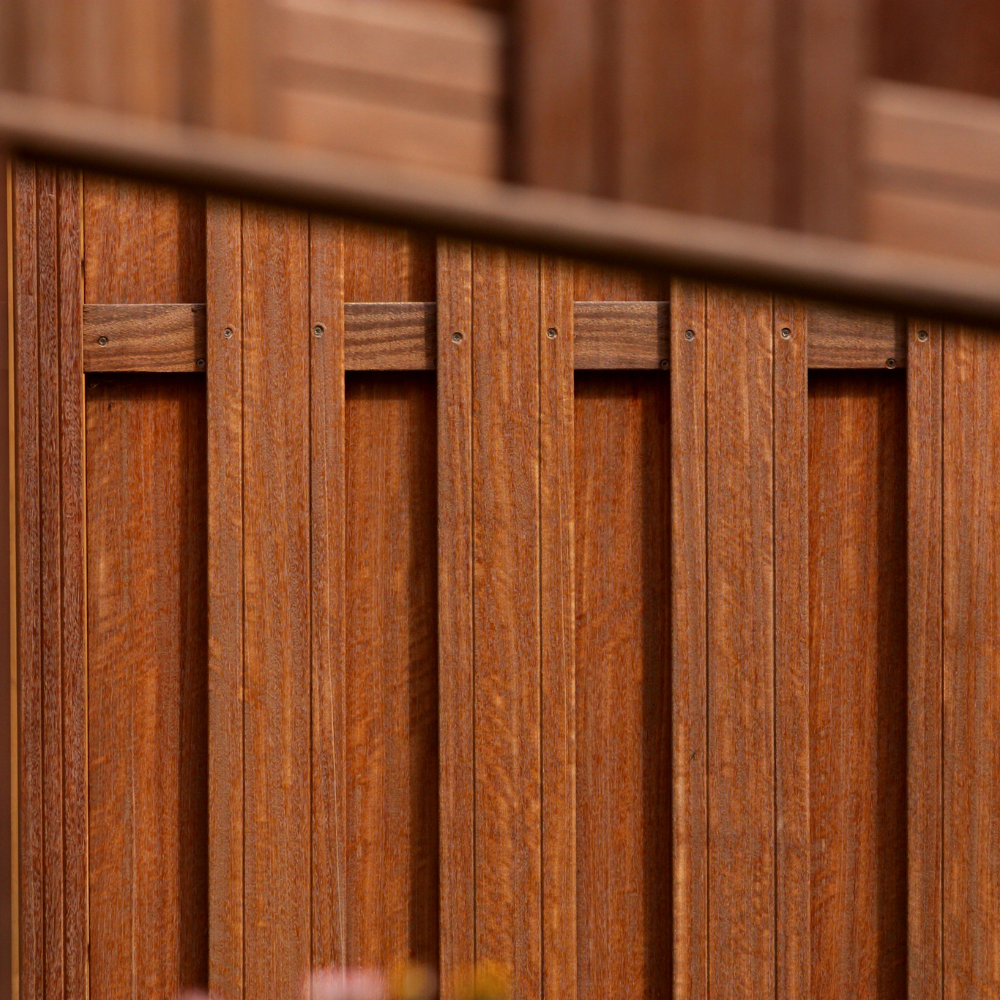
At Mid TN Staining, we help homeowners across Middle Tennessee protect and beautify their decks, fences, pergolas, and other outdoor wood structures. One of the most common questions we hear is: “When is the best time to stain my wood?” The short answer? Spring and fall are ideal in our region. Tennessee’s humid subtropical climate—with hot, humid summers, occasional harsh winters, and plenty of rainfall—makes timing critical for a long-lasting, even finish.
Why Weather Matters for Staining Outdoor Wood
Wood stain needs the right conditions to penetrate properly, dry evenly, and cure without issues like lap marks, peeling, or poor adhesion. Here’s what affects results:
Middle Tennessee’s weather brings unique challenges: heavy spring rains, scorching July heat, and occasional winter freezes that cause wood to expand and contract.
The Best Seasons for Staining in Middle Tennessee
1. Spring (Late March through Early May) – Often the Top Choice
Late spring offers mild temperatures, increasing daylight hours, and a good window before summer humidity and thunderstorms ramp up. After winter, wood has had time to dry out, making it more receptive to stain.
Tip: Monitor the forecast closely—spring can still bring frequent showers. Aim for a stretch of 2-3 dry days with moderate temps.
2. Fall (Late September through Early November) – Excellent Alternative
Fall is many experts’ favorite for staining in Tennessee. Cooler, drier air, lower humidity, and comfortable working conditions make it easier to get professional-looking results.
Staining in fall also protects your wood through the wetter winter months, extending its life.
3. Summer – Generally Not Recommended
While you can stain in early summer before peak heat, mid-to-late summer is tough in Middle TN. High heat causes fast drying and lap marks, while high humidity slows curing. Afternoon thunderstorms are common, and direct sun can make surfaces too hot to touch.
4. Winter – Possible but Tricky
Tennessee winters are relatively mild compared to northern states. On sunny days when highs reach above 40-50°F and the wood is dry, staining is sometimes feasible—especially for new builds or quick touch-ups. However, shorter days, potential freezes at night, and higher moisture risks make it less ideal for most projects.
Pro Tips from Mid TN Staining
Protect Your Investment Year-Round
Staining every 2–4 years (depending on exposure and traffic) can dramatically extend the life of your deck or fence and keep it looking great. Doing it at the right time means better absorption, longer protection, and fewer headaches down the road.
Ready to schedule your staining project? Mid TN Staining serves the Greater Nashville area, including Murfreesboro, Franklin, Brentwood, Smyrna, and surrounding communities.
Contact us today for a free estimate and let our experienced team help you choose the perfect timing and products for your outdoor wood.
Ever in need of a Tow? Dav’s Towing and Recovery offers fast, professional roadside assistance and vehicle recovery services, giving drivers dependable support during breakdowns, accidents, and unexpected roadside emergencies.
Good timing is not just about picking the right month. It is about watching the specific week. Before any staining project, Mid TN Staining checks a 10-day forecast and looks for a window with at least 48 hours of dry weather after the final coat goes on. Rain hitting fresh stain before it cures will lift the finish, cause streaking, or force a redo. Even heavy dew on a cool night can cause problems if the stain has not had enough time to set.
Surface temperature matters just as much as air temperature. On a sunny spring afternoon, wood facing south or west can heat up well past the air reading, especially dark-stained or older wood. If the surface feels hot to the touch, the stain will skin over on contact rather than soaking into the grain. The right move is to wait for that side of the structure to fall into shade before starting, or to plan the job for morning when temperatures are still climbing.
After staining, the wood needs time to cure before foot traffic, furniture, or rain. Most quality stains reach a surface-dry state within a few hours, but full cure, where the stain has bonded with the wood fibers and hardened properly, takes longer in humid Middle Tennessee air. Keeping foot traffic off a freshly stained deck for at least 24 hours and keeping furniture off for 48 to 72 hours gives the finish the best chance of lasting through the season. In fall, with cooler overnight temps, plan for the longer end of that range.
One thing homeowners often overlook is the state of the wood itself going into the project. Wood that was stained two or three years ago and left to weather needs proper cleaning before a new coat will adhere. Power washing removes mildew, dirt, and loose fiber, but the wood has to dry fully before staining begins. Rushing that step is one of the most common reasons a stain job fails early. Allowing two to three days of drying time after washing, in warm and low-humidity conditions, sets the wood up to absorb the new stain evenly from the first stroke to the last.


615-488-3244
629-201-2240
Copyright © 2024 Fence and Deck Staining. All Rights Reserved